
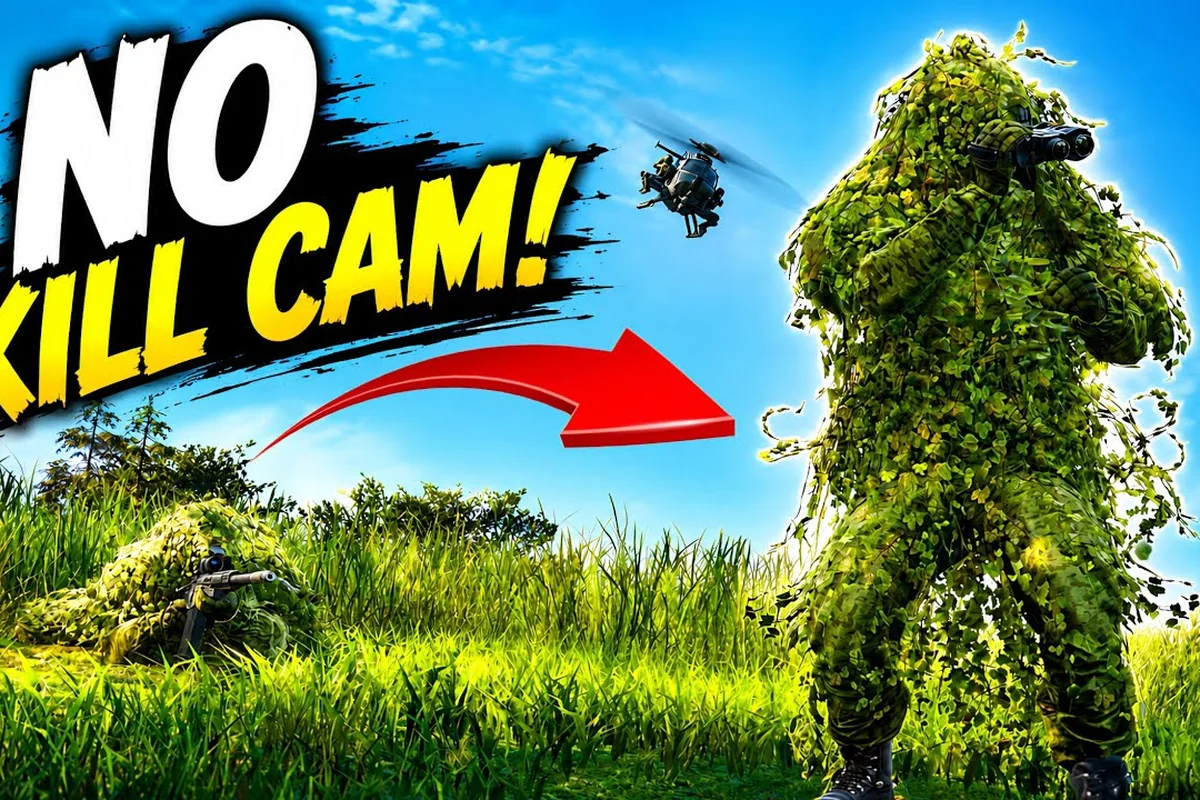
Every life in WARDOGS starts with the same question: what do I buy with my cash? The WARDOGS best loadout weapons aren't just about raw damage—they're about matching your purchase to the situation, your role, and your bank balance. Because cash persists across matches, every loadout decision carries real consequences for your account, which means understanding how to get weapons efficiently and which attachments deserve your money is the difference between dominating the Hot Zone and spectating your squad.
The game hands you $10,000 on your first spawn, but that's a one-time grant. From there, you earn cash through teamplay actions like reviving squadmates, transporting players, and holding objectives—with the Hot Zone paying double. This economy is the core loop, and the loadout system sits right at its center. If you want to build a kit that wins fights without bankrupting your next match, you need a clear picture of unlock paths, slot priorities, and attachment value. That's exactly what this guide delivers.
How Weapon Unlocks Work in WARDOGS
The WARDOGS weapon unlock system is simpler than most shooters because almost everything is available from the start—the real gate is your cash, not a progression tree. According to the official WARDOGS page on Steam, each life you purchase a custom loadout from a wide selection of weapons, gear, utility, and vehicles. There's no grinding for levels to access a specific rifle; instead, you decide what fits your budget and your plan for that life.
That said, understanding how to get weapons efficiently still matters because your starting $10,000 won't stretch far if you're buying top-tier gear every life. The unlock mechanic is essentially a purchasing decision layered on top of a persistent economy. You'll see the full arsenal in the buy menu, but your ability to actually field it depends on how much cash you've banked from previous matches.
The Cash-to-Loadout Connection
Your loadout budget is directly tied to your performance. Teamplay actions earn cash, and the Hot Zone pays double, so aggressive objective play funds better gear. This creates a feedback loop: the better you support your team, the more you can spend on the WARDOGS best loadout weapons next life. It's a smart system because it rewards cooperation while still letting skilled players snowball.
Here's how the economy flows into your loadout: every match's cash earnings funnel directly into your weapon progression, so the WARDOGS best loadout weapons aren't just about preference—they're about timing your purchases. Early rounds, you'll want to bank your credits for a primary weapon unlock (like the AK-74 or M4A1) rather than blowing cash on attachments, since the WARDOGS weapon unlock system gates higher-tier gear behind both level and credit thresholds. Once you've secured a solid base gun, allocate your remaining funds toward a red dot sight or foregrip—the WARDOGS weapon attachments that offer the most immediate recoil control and target acquisition for the price. This cash-to-loadout loop means every kill and objective completion feeds directly into your next loadout slot, so prioritize consistent income over flashy sidearms if you want a fully kitted WARDOGS loadout by the mid-game.
-
Reviving teammates earns a steady cash trickle that adds up over a match
-
Transporting squadmates in vehicles generates income while you reposition
-
Controlling objectives pays out on a timer, with the Hot Zone doubling the rate
-
Kills alone don't pay as well as teamplay, so pure fraggers will feel the pinch
The takeaway is that your weapon budget is a reward for playing the objective, not just for shooting straight. If you're wondering how to get weapons without going broke, the answer is simple: play the objective, bank your earnings, and buy smart.
What the Buy Menu Actually Shows
When you open the loadout screen, you'll see weapons organized by category with their cash prices displayed. The menu doesn't hide anything behind unlock challenges—it's all there, waiting for your money. This transparency means the WARDOGS weapon unlock system is really a budgeting exercise, and the full weapons list guide breaks down every option if you want to compare stats before you commit.
Because there's no level-gating, new players can theoretically buy the most expensive rifle in their first match. That's rarely wise, though, because dying with a premium kit means you've lost that investment. Smart players start modest, build their bank, and only splurge when they have a solid cash cushion.
Loadout Slots Explained: What to Prioritize
WARDOGS loadout slots aren't just about your primary weapon—they cover your entire kit, and how you allocate cash across those slots matters as much as which gun you pick. Each life, you're building a complete package from weapons, gear, utility, and vehicles, and the best loadouts balance all four categories rather than dumping everything into one rifle.
The mistake most new players make is spending 80% of their budget on a primary weapon and leaving nothing for optics, grenades, or armor. The WARDOGS best loadout weapons only shine when they're supported by the right attachments and utility. A bare rifle with iron sights loses to a cheaper gun with a proper optic, so your slot allocation needs to reflect that reality.
Primary, Secondary, and Utility Balance
Your loadout slots break down into a few key categories, and each one deserves a share of your cash. The real mistake most WARDOGS players make is dumping everything into a single meta primary—say, the Vityaz-SN with a 2x scope—while leaving your secondary and utility slots running stock gear. That lopsided budget leaves you helpless in the close-quarters room-clearing phases where your sidearm and grenade slot decide the fight. Instead, think in ratios: allocate roughly 50% of your credits to your primary and its attachments, 30% to a secondary that covers its weakness (like a high-capacity SMG to pair with a long-range rifle), and the remaining 20% to utility items like armor plates and stims. This spread ensures you’re not caught flat-footed when the engagement range shifts mid-mission, and it directly ties into how the game’s weapon unlock and attachment system gates your power curve.
| Slot Type | Recommended Budget Share | Why It Matters |
|---|---|---|
| Primary Weapon | 40-50% | Your main damage dealer; don't cheap out here |
| Optics & Attachments | 15-20% | Turns a good gun into a reliable one at range |
| Secondary/Sidearm | 10-15% | Backup for close quarters or when you're out of ammo |
| Grenades & Utility | 10-15% | Smoke, frags, and tools that win fights before they start |
| Armor/Medical | 10-15% | Keeps you alive long enough to use everything else |
That allocation assumes you're running a balanced kit. If you're playing a specific role, you might shift those numbers—a sniper spends more on optics, while a breacher invests in grenades. The key is that every slot gets at least some attention, because a loadout with a great rifle but no optic and no grenades is a loadout that loses to a well-rounded opponent.
How Many Slots Do You Actually Fill?
WARDOGS doesn't force you to fill every slot, and sometimes leaving a category empty is the right call. If you're low on cash, a solid primary with a basic optic beats a spread-out kit where every piece is mediocre. The loadout system rewards focus, and the sidearm guide covers when a backup weapon is worth the money versus when you should skip it entirely.
That said, experienced players generally fill most slots because the utility items—smoke grenades, medkits, repair tools—pay for themselves by enabling plays. A smoke grenade that lets your squad cross an open field is worth more than a slightly better secondary. Think about what your kit enables, not just what it damages.
Weapon Attachments and Optics Guide
The WARDOGS weapon attachments system is where the tactical depth really shows up. Attachments aren't cosmetic—they change how your weapon handles, and choosing the right ones for your engagement range is a core skill. The optics guide portion of this is especially important because WARDOGS features real-world ballistics, which means bullet drop and sight alignment actually matter.
According to community reports and the official Steam news posts, the game's three pillars are real-world ballistics, audio and flight models, and a player-driven sandbox. That first pillar—real-world ballistics—is why your optics choice matters so much. A magnified optic lets you compensate for bullet drop at range, while a red dot keeps you fast in close quarters. There's no one-size-fits-all answer.
Optic Types and When to Use Them
Different optics aren't just about zoom—they dictate how aggressively you can push a lane versus holding a power position. A 1x red dot like the Holo Sight excels in close-quarters building fights where ADS speed is critical, while a 4x ACOG-style scope transforms a mid-range AR into a pseudo-DMR, letting you contest headglitches before your opponent can even register your position. For hybrid flexibility, a variable 1-4x optic offers the best of both worlds, though it costs you an attachment slot that could otherwise go to a compensator or extended mag. The key is mapping your optic to your engagement plan: if your WARDOGS loadout leans toward objective rushing, prioritize fast-acquisition optics; if you're holding sightlines, invest in magnification.
| Optic Type | Best Engagement Range | Ideal Weapon Pairing | Tradeoff |
|---|---|---|---|
| Iron Sights | 0-50m | SMGs, shotguns | Free, but limits precision at range |
| Red Dot | 0-100m | Assault rifles, SMGs | Fast target acquisition, minimal zoom |
| 4x Scope | 50-300m | DMRs, assault rifles | Good mid-range precision, slower up-close |
| 8x+ Scope | 200m+ | Sniper rifles | Maximum range, terrible in close quarters |
The pattern here is that your optic should match your weapon's effective range, not just your personal preference. A sniper rifle with a red dot is wasting its potential, and an SMG with an 8x scope is nearly useless in the fights it's built for. If you're learning the system, start with red dots on most weapons and graduate to magnified optics as you get comfortable with bullet drop compensation. The bullet drop guide goes deeper into how real-world ballistics affect your aim at various ranges.
Attachments Beyond Optics
Optics get the most attention, but other attachments matter just as much. Suppressors reduce your audio signature, grips improve recoil control, and extended magazines keep you in the fight longer. Each attachment costs cash, so you're making a real tradeoff with every purchase.
-
Suppressors are excellent for flanking and stealth play, but they don't help in direct firefights
-
Grips and stocks reduce recoil, which matters more on full-auto weapons than semi-autos
-
Extended magazines are invaluable for LMGs and high-fire-rate rifles that burn through ammo
-
Laser sights improve hip-fire accuracy, useful for aggressive close-quarters play
The WARDOGS weapon attachments system rewards specialization. A single attachment that fits your playstyle is worth more than three that don't. Think about how you actually fight—do you hold angles, push objectives, or flank wide?—and buy attachments that amplify that style.
Building the Best Loadout for Your Playstyle
Now that you understand the unlock system, loadout slots, and attachments, it's time to put it all together. The WARDOGS best loadout weapons aren't a fixed list—they're the combination that works for your role, your map, and your current cash situation. That said, there are proven frameworks that work well for common playstyles.
The key insight is that your loadout should match your intended actions for that life. If you're planning to hold a defensive position, you want a longer-range weapon with a magnified optic. If you're pushing the Hot Zone, you want something that works in close quarters with fast target acquisition. Your loadout is a plan, not just a shopping list.
Recommended Loadouts by Role
Here are three loadout archetypes that consistently perform well, based on community testing and player reports: Assault, Breacher, and Anti-Armor. Each maps to a distinct engagement range and fire-rate profile, so your choice should hinge on map flow and your team's composition. For example, the Assault build pairs the AK-74M with a red-dot sight and angled grip for 30-meter duels, while the Breacher archetype leans on the MP7 with a laser pointer to maximize hip-fire accuracy inside tight corridors. The Anti-Armor setup, meanwhile, prioritizes the RPG-7 in the secondary slot to counter vehicle pushes. These archetypes aren't rigid—they're starting points, and swapping one attachment (like a compensator over a suppressor) can shift a build from stealthy to aggressive without changing its core role.
| Playstyle | Primary | Optic | Key Attachments | Utility |
|---|---|---|---|---|
| Aggressive Pusher | SMG or shotgun | Red dot | Extended mag, laser | Frag grenades, medkit |
| Mid-Range Support | Assault rifle | 4x scope | Grip, suppressor | Smoke grenades, ammo pack |
| Long-Range Specialist | Sniper or DMR | 8x scope | Bipod, suppressor | Spotting tool, sidearm |
These aren't the only viable options, but they're solid starting points. The aggressive pusher build is great for Hot Zone play because it's fast and deadly up close. The mid-range support build works well for holding objectives and covering teammates. The long-range specialist build excels at controlling sightlines and punishing enemies crossing open ground.
Budgeting for Your Loadout
Your cash situation should shape your loadout choices. If you're flush with cash from a good previous match, you can afford the premium kit. If you're rebuilding after a bad life, you need a budget-friendly loadout that still performs. Here's how to think about it:
-
Rich loadout ($8,000+): Top-tier primary, best optic, full attachments, grenades, armor
-
Standard loadout ($4,000-8,000): Solid mid-tier primary, good optic, one or two attachments
-
Budget loadout ($2,000-4,000): Reliable cheap primary, iron sights or basic red dot, minimal extras
-
Barebones loadout (under $2,000): Pistol or cheapest rifle, no attachments, save your cash
The budget loadout is more viable than most players think. A cheap rifle with a red dot can hold its own in most fights, and the cash you save sets you up for a better kit next life. Don't be ashamed to run budget—it's a strategy, not a failure. The persistent economy means your spending decisions compound over time, and players who manage their bank wisely end up with better gear more consistently than those who blow everything every life.
Advanced Loadout Strategies
Once you've mastered the basics, there are a few advanced strategies that separate good players from great ones. These aren't about specific weapons—they're about how you think about the loadout system as a whole and how you use it to gain an edge over opponents who aren't paying attention.
The first advanced concept is situational loadout switching. Since you buy a new loadout every life, you can adapt to the match state. If your team is winning and holding the Hot Zone, you might run a defensive loadout. If you're losing and need to break through, you might switch to an aggressive breacher kit. The best players treat their loadout as a response to the current situation, not a fixed preference.
The Economy of Dying
Here's a hard truth: dying costs you money. When you die, you lose the loadout you bought, and you have to spend again next life. This means your survival is directly tied to your economy, and the WARDOGS best loadout weapons are wasted if you're dying every 30 seconds. The advanced play is to match your investment to your expected survival time.
If you're playing aggressively and expect to die quickly, run a cheaper loadout. If you're playing carefully and holding positions, invest more. This isn't about being timid—it's about return on investment. A $2,000 loadout that survives five minutes is better value than a $10,000 loadout that dies in 30 seconds. The persistent economy rewards smart risk assessment, not just mechanical skill.
When to Skip the Loadout Entirely
Sometimes the best loadout is no loadout at all. If you're low on cash and your team is in a strong position, consider spawning with just a pistol or even barebones gear. You'll be less effective in direct fights, but you'll preserve your bank for a future life when it matters more. This is especially valuable if you're saving for a vehicle or a premium kit.
The vehicle angle is worth mentioning here because the vehicles list guide covers how much cash you need to field armor or helicopters. If you're close to affording a tank, skipping a fancy rifle for one life to bank the difference can be a game-winning decision. The loadout system isn't just about weapons—it's about the whole picture of what you can field.
Frequently Asked Questions
What are the WARDOGS best loadout weapons for beginners?
For new players, the best approach is a mid-tier assault rifle with a red dot optic and one attachment that fits your style. This combination costs around $4,000-5,000 and performs well at most engagement ranges. Avoid the most expensive weapons until you've built a cash cushion, because dying with a premium kit hurts your economy.
How do I get weapons in WARDOGS?
You get weapons by purchasing them with cash at the start of each life. Cash comes from teamplay actions like reviving teammates, transporting squadmates, and controlling objectives, with the Hot Zone paying double. There's no level-gating or unlock tree—everything is available from the start, limited only by your bank balance.
Do loadout slots cost extra cash?
Yes, every slot you fill costs money, and your total loadout price is the sum of all your purchases. This means you're constantly making tradeoffs between your primary weapon, optics, attachments, utility, and armor. A balanced kit usually costs more than a barebones one, but it's also more effective in a wider range of situations.
What optic should I use for long-range engagements?
For long-range work, an 8x or higher scope is your best bet, especially on sniper rifles or DMRs. These optics let you compensate for bullet drop and land shots at 200 meters or more. Just remember that high-magnification optics are nearly useless in close quarters, so pair them with a solid sidearm for self-defense.
How much cash should I save between matches?
A good rule of thumb is to keep at least $3,000-5,000 in reserve at all times. This gives you a buffer for a decent budget loadout if you have a bad life, and it lets you save toward big purchases like vehicles or premium weapons. Players who spend everything every life are one bad match away from running barebones.