
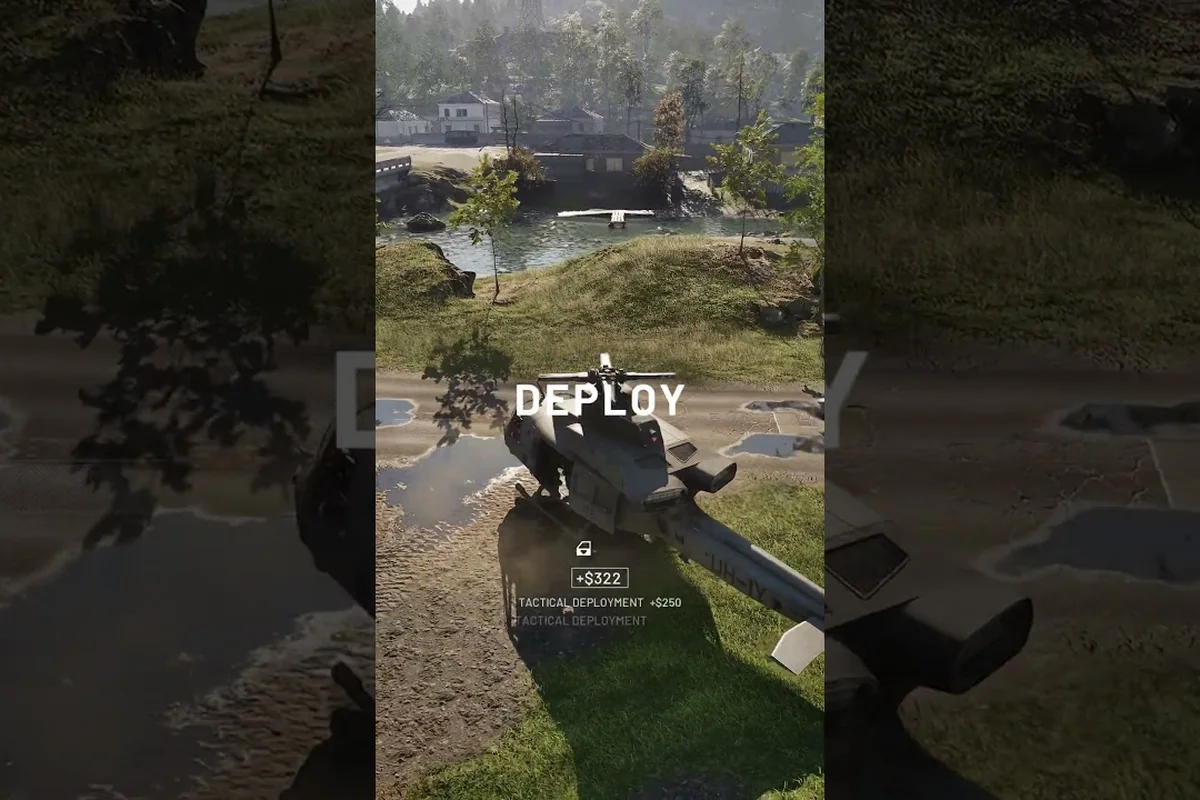
The WARDOGS logistics role is the backbone of every successful operation, covering transport, artillery, and tank crew duties that keep the front line moving and supplied. While the spotlight often falls on infantry firefights, the official class lineup referenced by BULKHEAD — Infantry, Medic, Pilot, Builder, and Engineer — depends heavily on players who master the vehicles and supply chains that sustain them. Understanding this support ecosystem matters because every decision you make affects your persistent account balance, and teamplay actions like transporting squadmates or resupplying a forward operating base earn real cash. Get the latest breakdown of how to run these roles effectively, whether you are ferrying troops by helicopter or coordinating fire support from an armored hull.
The WARDOGS Logistics Role: Defining the Support Ecosystem
The WARDOGS logistics role is not a single class but a support framework that spans multiple vehicle and crew positions across the battlefield. According to the official WARDOGS Steam page, players can ferry supplies by helicopter, fortify a chokepoint by building a forward operating base, or man an artillery tank — all of which fall under the logistics umbrella. What makes this role distinct is its focus on force multiplication: instead of directly contesting objectives, logistics players enable everyone else to fight harder, longer, and more effectively.
The core responsibilities break down into three main pillars that every aspiring logistics player should understand before stepping into a vehicle bay:
-
Transport operations — moving infantry, supplies, and vehicles between spawn points and the active Hot Zone, which directly influences how quickly your team can contest objectives.
-
Artillery support — delivering indirect fire from armored platforms that suppress enemy positions and break up defensive lines before the infantry push arrives.
-
Tank crew coordination — operating heavy armor as a team, managing the driver, gunner, and commander roles to maximize combat effectiveness while protecting the vehicle investment.
Each pillar requires a different skill set, but they all share a common thread: situational awareness of the broader battlefield. A transport pilot who ignores the Hot Zone rotation wastes the team's time, while an artillery crew that fires without infantry coordination risks wasting expensive ammunition. The WARDOGS class guide breaks down how these support roles interact with the five official classes, but the logistics role specifically rewards players who can read the match flow and position themselves where the team needs them most.
What separates a good logistics player from a great one is economic discipline. Vehicles cost cash to spawn, ammunition is not free, and every destroyed transport represents a direct loss to your account balance. The best logistics operators treat every sortie as an investment, calculating whether the supplies delivered or the enemy vehicles destroyed justify the upfront cost. This economic mindset is what makes the logistics role so valuable to experienced squads, and it is why the official playstyle description emphasizes that every decision affects your account balance.
Transport Role: Moving Troops and Supplies Under Fire
The WARDOGS transport role is the most accessible entry point into logistics, yet it carries responsibilities that many players underestimate. When you take the wheel of a jeep or the controls of a transport helicopter, you are not just driving — you are managing the tempo of the entire match. Getting infantry to the Hot Zone thirty seconds faster than the enemy team can be the difference between capturing a control zone and getting locked out of it entirely.
Vehicle Selection and Route Planning
Choosing the right transport vehicle depends on the tactical situation and the terrain between your spawn and the objective. The jeep offers speed and agility for quick hit-and-run insertions, while trucks provide the cargo capacity needed to resupply a forward operating base or move larger squads. Helicopters trade vulnerability for unmatched mobility, allowing you to bypass ground chokepoints entirely — but they also make you a priority target for enemy fire.
| Vehicle Type | Best Use Case | Vulnerability | Recommended Squad Size |
|---|---|---|---|
| Jeep | Fast infantry insertions, recon | Light armor, exposed crew | 2-3 players |
| Truck | Supply runs, FOB resupply | Slow, large target | 3-4 players |
| Transport Helicopter | Vertical insertions, map-wide mobility | Easy to spot, weak to AA | 4-6 players |
Route planning is where the transport role truly shines. The best drivers do not take the most direct path — they study the terrain flow and identify flanking routes that keep the vehicle out of enemy sightlines while still delivering the squad on time. According to community reports, experienced transport players often use the map's randomized control zone rotation to predict where the next fight will happen, positioning themselves to move troops before the objective even shifts.
Earning Cash Through Teamplay
One of the most compelling reasons to master the WARDOGS transport role is the cash economy. The official Steam news post celebrating 500,000 wishlists highlighted that teamplay actions like transporting squadmates earn cash, which means a skilled driver can build a substantial account balance without firing a single shot. This creates a positive feedback loop: the more effectively you transport troops, the more cash you earn, and the better vehicles and loadouts you can afford in future matches.
The transport role also has a force protection component that new players often overlook. When you deliver a squad to a contested zone, you are not just dropping them off — you are committing them to a fight. Good transport drivers communicate with the squad leader before the drop, confirming the landing zone is clear and identifying escape routes if the insertion goes wrong. This coordination is what separates a combat drop from a suicide run, and it is a skill that transfers directly to the transport helicopter guide for players who want to specialize in air mobility.
Artillery Crew: Delivering Indirect Fire Support
The WARDOGS artillery crew role represents the heavy end of the logistics spectrum, trading mobility for raw firepower that can shape the battlefield from a distance. Manning an artillery tank requires a different mindset than driving a transport — instead of avoiding contact, you are actively seeking firing positions that let you rain shells on enemy positions while staying out of direct retaliation range.
Positioning and Fire Mission Coordination
Effective artillery support is not about firing at random targets; it is about coordinated fire missions that support the infantry push. The best artillery crews work directly with squad leaders to identify priority targets — enemy vehicles, fortified positions, or clustered infantry — and then deliver fire at the precise moment the assault begins. This timing is critical because artillery fire that lands too early gives the enemy time to scatter, while fire that lands too late leaves your infantry exposed.
| Fire Mission Type | Target Priority | Timing | Ammunition Cost |
|---|---|---|---|
| Suppression | Enemy defensive positions | Before infantry push | Low |
| Counter-battery | Enemy artillery/vehicles | When enemy fires | Medium |
| Area denial | Control zone approaches | During capture attempt | High |
The artillery tank itself requires a crew of at least two players to operate effectively — one to drive and position the vehicle, and one to man the main gun. Larger crews can add a commander who spots targets and coordinates with the rest of the team. According to the Team17 playstyle description, manning an artillery tank is one of the core fantasy options available to players, and it rewards the same communication and teamwork that drives the rest of the game.
Ammunition Economy and Sustainment
Every shell fired from an artillery piece represents a cash investment, which means artillery crews must be disciplined about their ammunition usage. Firing at random targets wastes money and reveals your position, while carefully planned fire missions deliver maximum value for every round. The best artillery players maintain a mental ledger of their ammunition costs versus the damage they inflict, adjusting their fire discipline based on the match situation.
Artillery crews also depend on the logistics network to sustain their operations. A forward operating base that stocks ammunition allows artillery vehicles to resupply without returning to the main spawn, dramatically increasing their time on station. This creates a natural synergy between the artillery crew role and the builder class, and it is why many experienced squads assign dedicated logistics players to keep the FOB stocked. For players who want to understand how vehicle loadouts interact with artillery platforms, the vehicle loadout guide provides a deeper breakdown of weapon and equipment choices.
Tank Crew: Coordinating Heavy Armor Operations
The WARDOGS tank crew role is the most intensive teamplay experience in the logistics category, requiring multiple players to operate a single vehicle effectively. Unlike infantry combat where individual skill can carry the day, a tank is only as effective as its crew — and a poorly coordinated crew is little more than an expensive coffin for the players inside.
Crew Roles and Responsibilities
A standard tank crew divides responsibilities across three positions, each with distinct duties that must be executed in coordination with the others. The driver manages positioning and movement, keeping the vehicle in advantageous terrain while avoiding enemy anti-tank fire. The gunner handles the main weapon, tracking targets and delivering fire on the commander's direction. The commander serves as the crew's eyes and ears, scanning for threats, coordinating with infantry, and directing the driver and gunner.
| Crew Position | Primary Duty | Secondary Duty | Key Skill |
|---|---|---|---|
| Driver | Vehicle positioning | Escape route planning | Terrain reading |
| Gunner | Target engagement | Ammunition management | Aim discipline |
| Commander | Threat detection | Squad coordination | Communication |
The commander role is often the most demanding because it requires simultaneous awareness of the battlefield, the vehicle's status, and the broader tactical situation. A good commander constantly updates the crew on enemy movements, prioritizes targets, and decides when to push forward or fall back. This is why the tank crew role is frequently cited in community discussions as the best way to develop leadership skills that transfer to other aspects of the game.
Armor Tactics and Infantry Coordination
Tanks are most effective when they operate in combined arms with infantry support, rather than charging into battle alone. The infantry protects the tank from close-range threats like rocket launchers and mines, while the tank provides fire support that infantry cannot match. This coordination requires clear communication channels and a shared understanding of each other's capabilities and limitations.
The infantry tactics that pair best with tank operations focus on bounding overwatch — one element moves while the other provides covering fire. In practice, this means the tank advances to a firing position, the infantry moves up under its protection, and then the cycle repeats. This methodical approach is slower than a direct assault, but it preserves the tank's armor and keeps the infantry alive long enough to secure the objective.
Tank crews also need to understand their vulnerability profile. While heavy armor can absorb significant punishment, it is not invulnerable, and enemy engineers or dedicated anti-tank players can disable a tank with well-placed shots. The best crews maintain a situational awareness that extends beyond their immediate surroundings, tracking known enemy threats and adjusting their positioning to avoid ambushes. This is where the logistics role connects to the broader engineer loadout guide, since engineers are often the ones tasked with repairing damaged vehicles and keeping armor in the fight.
Infantry Tactics and Medic Loadout Synergy
The WARDOGS logistics role does not exist in isolation — it directly supports and is supported by infantry tactics and the medic loadout. Understanding this synergy is what transforms a collection of individual players into a cohesive fighting force that can dominate the Hot Zone rotation.
Supporting the Infantry Push
Logistics players who understand infantry tactics can anticipate what the front line needs before the request even comes in. A transport driver who knows the squad is low on ammunition can pre-position a supply drop. An artillery crew that understands the infantry's assault plan can time their fire missions to suppress enemy defenses at the exact moment of the push. This proactive support is what separates elite logistics players from those who simply react to requests.
The medic loadout is particularly important to logistics operations because medics are the ones who keep infantry alive long enough for support to arrive. A medic with a well-chosen loadout can revive fallen squadmates, extend the team's combat endurance, and ensure that the investment in transport and artillery support is not wasted. According to the official class descriptions, reviving squadmates earns cash, which means medics are not just saving lives — they are building their own economic foundation.
Building a Logistics-Friendly Loadout
Players who want to specialize in the WARDOGS logistics role should build their loadout around versatility rather than raw combat power. A transport driver needs a secondary weapon that can defend against ambushes without sacrificing mobility. An artillery crew member needs equipment that supports their primary role, whether that is spotting tools for the commander or repair kits for the driver.
| Loadout Slot | Transport Focus | Artillery Focus | Tank Crew Focus |
|---|---|---|---|
| Primary Weapon | Compact SMG | Standard rifle | Standard rifle |
| Secondary | Pistol | Pistol | Pistol |
| Equipment | Repair kit | Spotting binoculars | Repair kit |
| Utility | Smoke grenades | Frag grenades | Smoke grenades |
The medic loadout deserves special attention because medics are often the bridge between the logistics network and the infantry they support. A medic who carries a repair kit can help keep transport vehicles operational, while a medic with smoke grenades can cover a vehicle's retreat from a dangerous position. This flexibility makes the medic one of the most valuable roles in the logistics ecosystem, and it is why many experienced squads assign their most adaptable players to this position.
The relationship between logistics and infantry is reciprocal — the infantry protects the vehicles and artillery that support them, while the logistics players enable the infantry to fight more effectively. When this relationship breaks down, the entire team suffers; when it works, the team can dominate matches through superior coordination and sustainment. This is the core lesson of the WARDOGS logistics role, and it is why mastering these support positions is essential for any player who wants to contribute to a winning squad.
Advanced Logistics Coordination and Match Flow
The most effective WARDOGS logistics players do not just execute their individual roles — they coordinate the entire logistics network across the match. This advanced level of play requires understanding how transport, artillery, and tank operations interact with the match flow and the randomized Hot Zone mechanic.
Reading the Battlefield and Anticipating Needs
Advanced logistics coordination starts with reading the battlefield and anticipating what the team will need before the need becomes critical. A transport coordinator who tracks the Hot Zone rotation can position vehicles to move troops to the next objective before it is even announced. An artillery commander who monitors enemy vehicle movements can pre-aim at likely approach routes, ready to deliver fire the moment the enemy commits.
The economic dimension of logistics coordination is equally important. Every vehicle spawned, every shell fired, and every supply drop represents a cash investment that must be justified by its contribution to the team's success. Advanced logistics players maintain a mental cost-benefit analysis of their operations, adjusting their spending based on the match situation. In a close match, a well-timed vehicle spawn can swing the momentum; in a blowout, conserving cash for the next match might be the smarter play.
Building a Logistics Network
A fully developed logistics network connects transport, artillery, and tank operations into a single coordinated system. Transport vehicles move supplies and reinforcements to the front line. Artillery provides fire support that protects the forward operating base and disrupts enemy movements. Tanks serve as the mobile firepower that can respond to threats anywhere on the map. When these elements work together, the team gains a significant advantage over an opponent that treats each vehicle as an independent asset.
| Network Element | Primary Function | Support Function | Coordination Requirement |
|---|---|---|---|
| Transport | Move troops/supplies | Resupply FOB | Route coordination |
| Artillery | Indirect fire | Area denial | Fire mission timing |
| Tank | Direct firepower | Breakthrough ops | Infantry support |
The communication required to run this network effectively is substantial, but the payoff is equally significant. Teams that coordinate their logistics operations report significantly higher win rates in community discussions, because they can sustain offensive operations longer and respond to enemy actions more quickly. This is the ultimate expression of the WARDOGS logistics role — not just executing individual tasks, but orchestrating the entire support ecosystem to give the team a decisive advantage.
Players who want to develop these advanced coordination skills should start by mastering one logistics role, then gradually expand their understanding of how that role connects to the others. The best LMG guide can help support players choose weapons that complement their logistics duties, while the vehicle guides provide deeper technical knowledge for transport and tank operations. The key is to build experience incrementally, learning each role's strengths and limitations before attempting to coordinate them together.
Frequently Asked Questions
What is the WARDOGS logistics role?
The WARDOGS logistics role encompasses transport, artillery, and tank crew operations that support the team's frontline forces. Unlike direct combat roles, logistics focuses on moving troops, delivering supplies, and providing fire support that enables infantry to fight more effectively. It rewards situational awareness, communication, and economic discipline.
How does the transport role earn cash?
The transport role earns cash through teamplay actions like transporting squadmates and delivering supplies, as confirmed by the official Steam news. Every successful delivery contributes to your persistent account balance, which means skilled transport players can build wealth without engaging in direct combat. This creates a sustainable economic loop for support-focused players.
What is the best way to coordinate an artillery crew?
The best artillery crews assign clear roles — driver, gunner, and commander — and maintain constant communication with infantry squad leaders. Fire missions should be timed to support infantry pushes, with the commander prioritizing targets based on the tactical situation. Ammunition discipline is essential because every shell represents a cash investment.
How do tank crews work with infantry?
Tank crews work with infantry through combined arms tactics like bounding overwatch, where the tank advances to a firing position and infantry moves up under its protection. Clear communication channels are essential, with the tank commander coordinating directly with infantry squad leaders. This coordination protects the tank from close-range threats while giving infantry fire support they cannot match.
What medic loadout works best for logistics support?
The best medic loadout for logistics support balances healing capability with utility items like repair kits and smoke grenades. Repair kits let medics keep transport vehicles operational, while smoke grenades provide cover for vehicle retreats or infantry advances. This flexibility makes medics the bridge between the logistics network and the frontline infantry they support.